
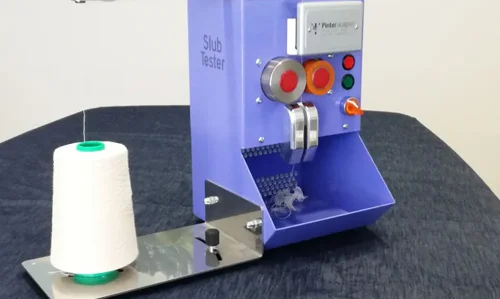
VTA provides analysis of composition, properties, denier, and more for various types of fibers used in the textile industry, such as blended fibers, staple fibers, spandex core filament fibers, twisted fibers, and plied fibers.
Fiber Analysis Service: Composition, Properties, Denier... for the Textile Industry by VTA
VTA provides analysis of composition, properties, denier, and more for various types of fibers used in the textile industry, such as blended fibers, staple fibers, spandex core filament fibers, twisted fibers, and plied fibers.
In the textile industry, understanding the composition, properties, and denier of fibers is crucial for ensuring product quality, optimizing production processes, and meeting international standards. VTA is proud to offer in-depth fiber analysis services, helping customers fully grasp information about input materials, thereby making accurate and effective decisions in the production process.
Fiber Composition Analysis
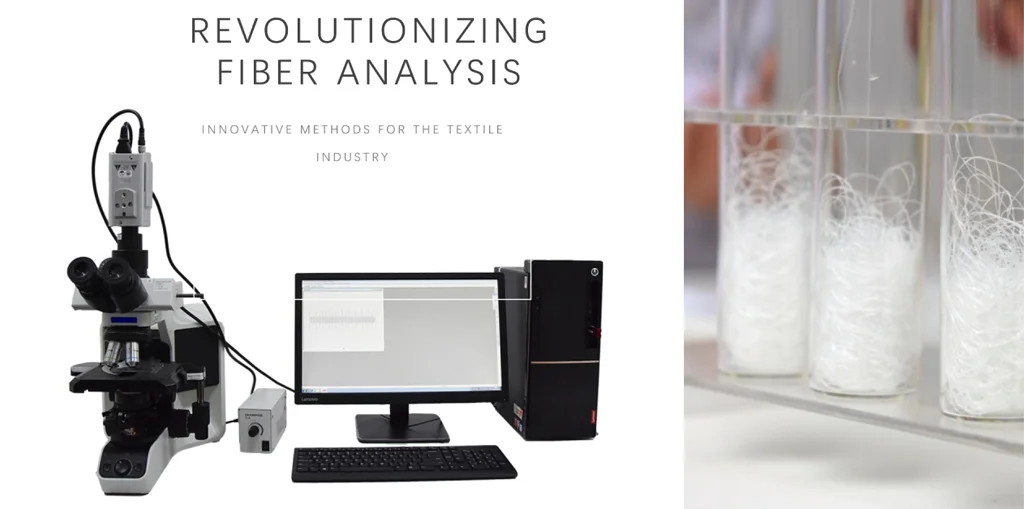
The composition of fibers determines their characteristics and applications in textile products. VTA uses advanced analytical methods to accurately determine the composition of fibers, including:
- Chemical Method: Using chemical solutions to separate and identify fibers, distinguishing between natural fibers (such as cotton, wool, silk) and synthetic fibers (such as polyester, nylon, acrylic).
- Physical Method: Observing the fiber structure under a microscope to identify the characteristic features of each fiber type.
- Spectroscopic Method: Using spectroscopic equipment (such as FTIR) to analyze absorption spectra, thereby accurately determining the chemical composition of fibers.
Denier Analysis of Fibers
Denier is the unit for measuring the thickness of fibers, playing an important role in determining the fineness and strength of fibers. VTA provides denier measurement services through:
- Weighing Method: Measuring the mass of 9000 meters of fiber to calculate denier.
- Indirect Method: Using equipment to measure fiber thickness and converting it to denier based on standard formulas.
Analysis of Fiber Properties
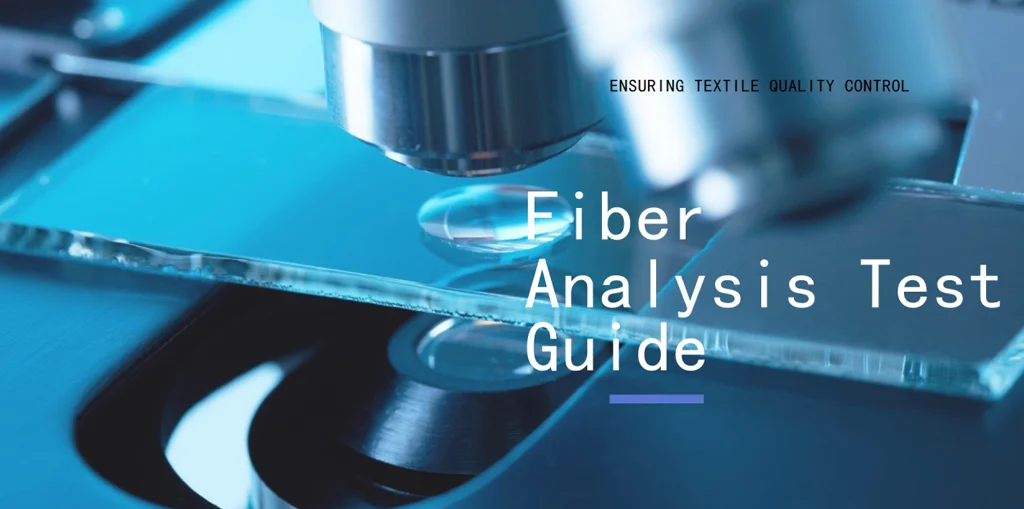
The physical and chemical properties of fibers directly affect the quality of textile products. VTA conducts analyses of important properties such as:
- Strength: Measuring the fiber's ability to withstand force using specialized strength testing machines.
- Elasticity: Evaluating the fiber's ability to stretch and recover.
- Moisture Absorption: Determining the fiber's ability to absorb water.
- Color Fastness: Checking the fiber's ability to retain color after washing or exposure to light.
Benefits of VTA's Fiber Analysis Service
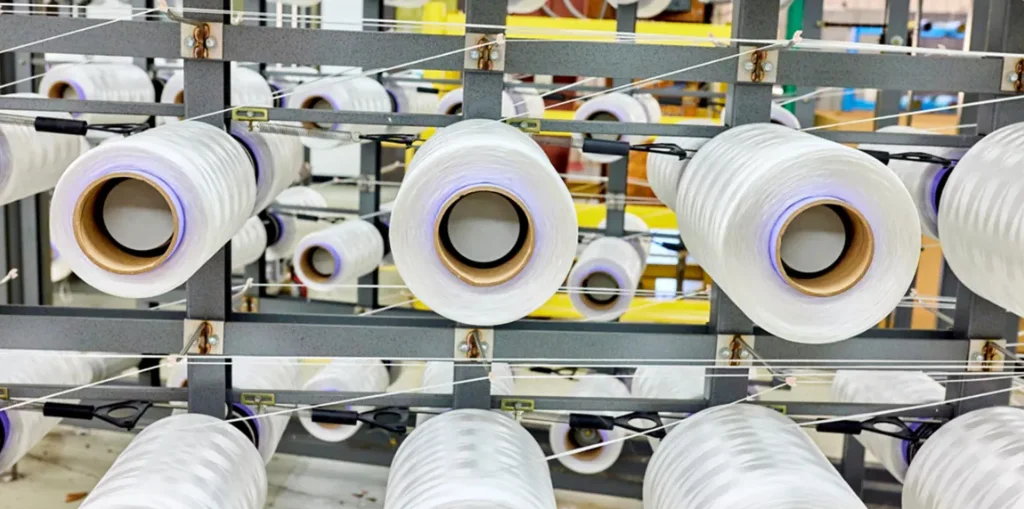
- Ensuring Product Quality: Helping customers select suitable fibers, ensuring products meet standards for durability, comfort, and aesthetics.
- Optimizing Production Processes: Understanding fiber characteristics to adjust weaving and finishing processes, thereby improving production efficiency.
- Meeting International Standards: Providing accurate analysis data, supporting customers in exporting and competing in the global market.
With a team of experienced experts and modern equipment, VTA is committed to providing high-quality fiber analysis services, meeting all the needs of customers in the textile industry. Contact us for professional and dedicated support!