AI made textile defect detection more accurate and consistent than old inspection methods. AI machines quickly spot fabric problems. They detect holes, stains, weave issues, strange patterns, and dyeing faults. They use computer vision and machine learning algorithms for this task. Artificial intelligence is helping the textile sector. It inspects textile defects and offers solutions. Today we will share Artificial Intelligence in Textile Defect Detection.
AI-Based Techniques for Textile Defect Detection
The different fabric structures result in various textures and other types of defects. The combinations are many. This makes automated fabric detection a real challenge for the textile industry.
Manufacturers have workers check fabric by eye. But this method can be inconsistent and unreliable.
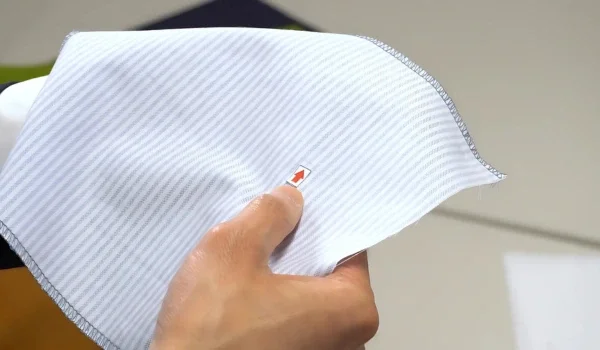
Artificial technology created the Wise Eye. This smart defect detection system works on any weaving machine.
It helps manufacturers detect and correct travel defects during the photo process. Let me say that with a wise eye, fabric defects have nowhere to hide.
Imagine the fabric’s complex structure as an image’s regular background texture. Defects are foreground objects. They disrupt the normal texture of an image.
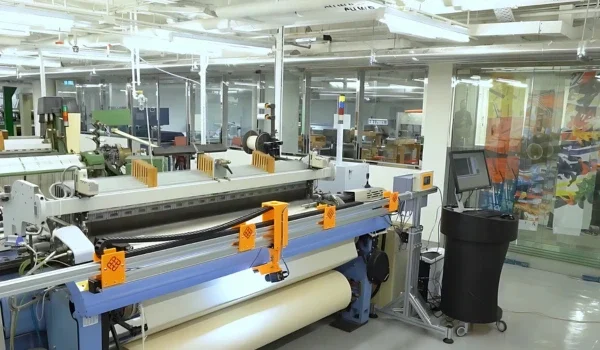
What we do is single out abnormalities from the complex background texture. The system features a powerful LED light bar and a high-resolution CCD camera.
They are mounted on a rail and driven back and forth along it by an electronic motor. During the weaving process, the camera captures images of the whole width of the woven fabric.
We process the images first. Then, they go into an AI machine that uses a vision algorithm to find fabric defects. When a defect shows up, the smart eye quickly alerts the weaving machine or the factory’s info system.
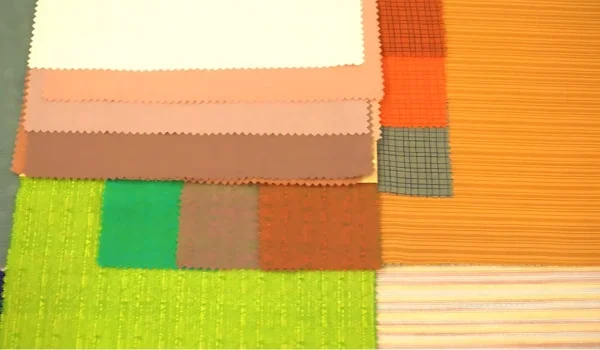
Wise Eye can detect 40 common fabric defects with a detection rate of over 90%. Wise Eye successfully integrates AI, Big Data, and deep learning technologies in a new way.
This tech breakthrough helps the textile industry. It also marks a big step in automating quality control.
Implementation and Benefits of AI in the textile industry
The fabric inspection process depends on people. This can waste time and cause mistakes. Many industries use the AI virtual inspection system. It works around the clock without needing a person.
You can get rid of manual fabric inspection work. It runs 24 hours a day without any workers. It has saved the factory from a lot of manual labor. Additionally, you can use it on many types of single-color fabrics.
Advanced machine learning technology finds many defects. These include broken ends, broken filling, knots, holes, dirt, fuzziness, and weft shrinkage.
AI-powered machines catch defects at a range of 0.1 mm with over 85% accuracy.
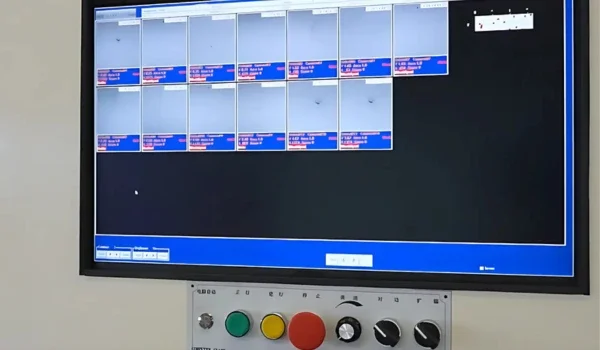
AI System Catching Fabric Defects
The AI system can learn and improve its defect detection. This leads to better flaw identification by connecting to your ERP system.
Get the inspection report and data-driven results in real time. This will provide a significant increase in your efficiency.
Future Trends and Innovation
In 2025, technology is undergoing rapid changes. We’re about to see a revolution where tech fits into our daily lives.
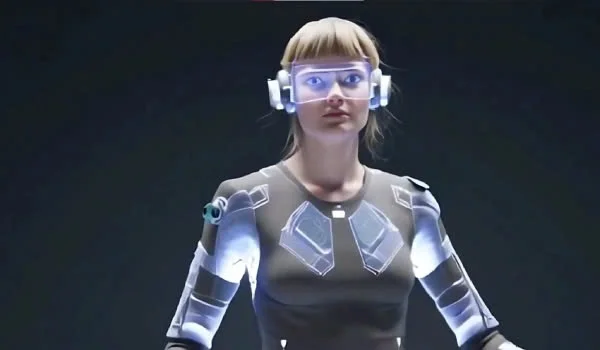
Technology powered by artificial intelligence and smart fabrics is leading this exciting transformation. These advancements will improve our health, fitness, and daily lives like never before.
Picture clothing that monitors your heart rate, tracks your workouts, and adapts to your body temperature. This is not just science fiction anymore.
We are rapidly approaching a new era. By weaving technology into our daily lives, we connect our bodies to the digital world.
Let’s dive into the exciting world of smart fabrics and AI. They are set to change how we live.
Smart Fabrics are revolutionizing the textile industry. These fabrics are more than just fashion. They are smart, responsive, and can interact with us and our surroundings.
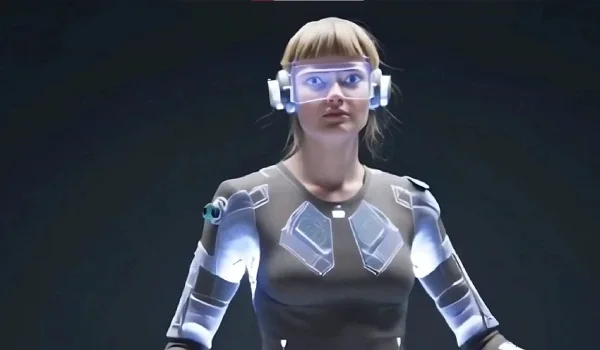
AI-Powered Textiles
More Applications of AI
Picture workout clothes that track your heart rate and muscle activity as you exercise. Also, think about clothing that adjusts to the weather, ensuring your comfort.
Companies like Google, with its Jacquard project, are leading this revolution. Nike uses sensors to check athletic performance. Under Armour makes clothes that regulate temperature.
Hexskin makes biometric shirts that capture physiological data. Here are a few companies leading the way in smart fabric innovation.
Smart Fabrics provide the platform; artificial intelligence drives their transformative potential. AI algorithms analyze data from sensors, offering insights into our health and well-being. This real-time analysis provides personalized feedback, empowering informed health decisions.
AI excels at identifying patterns and making predictions, revolutionizing healthcare. It helps spot health problems early, which is key for chronic conditions. Fitness AI makes tailored training plans and boosts performance.
AI also monitors mental health by detecting stress, anxiety, or depression patterns. Smart fabrics and AI will transform our daily lives in profound ways.
Imagine a future where we manage chronic diseases early. This will stop complications and boost the quality of life. The potential benefits of this technology extend beyond individual health.
Smart Fabrics collect data that we can combine and anonymize. This offers useful insights for medical research and public health efforts.
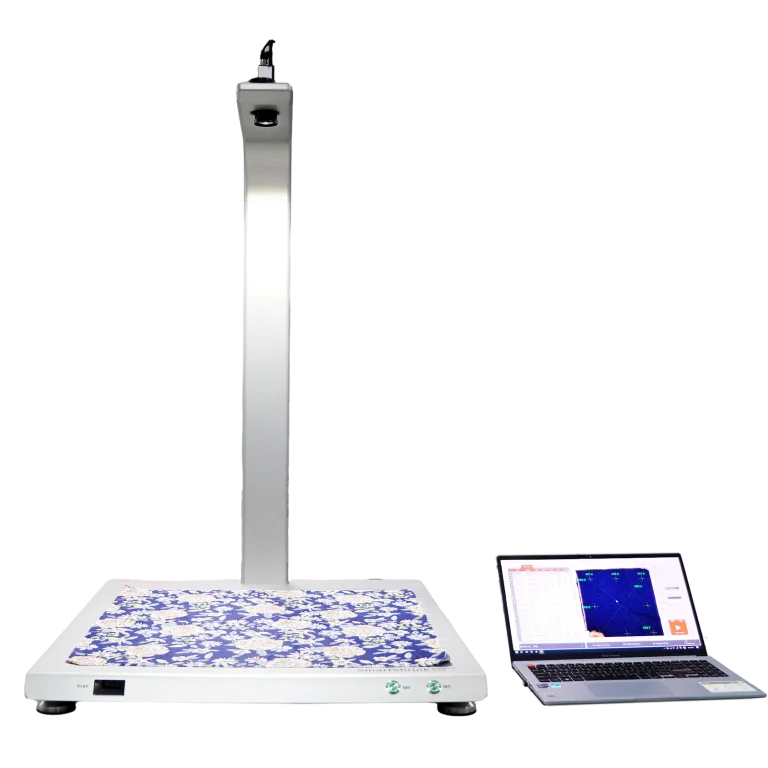
Textile Shrinkage Tester developed based on Artificial Intelligence and Visual Inspection Technology
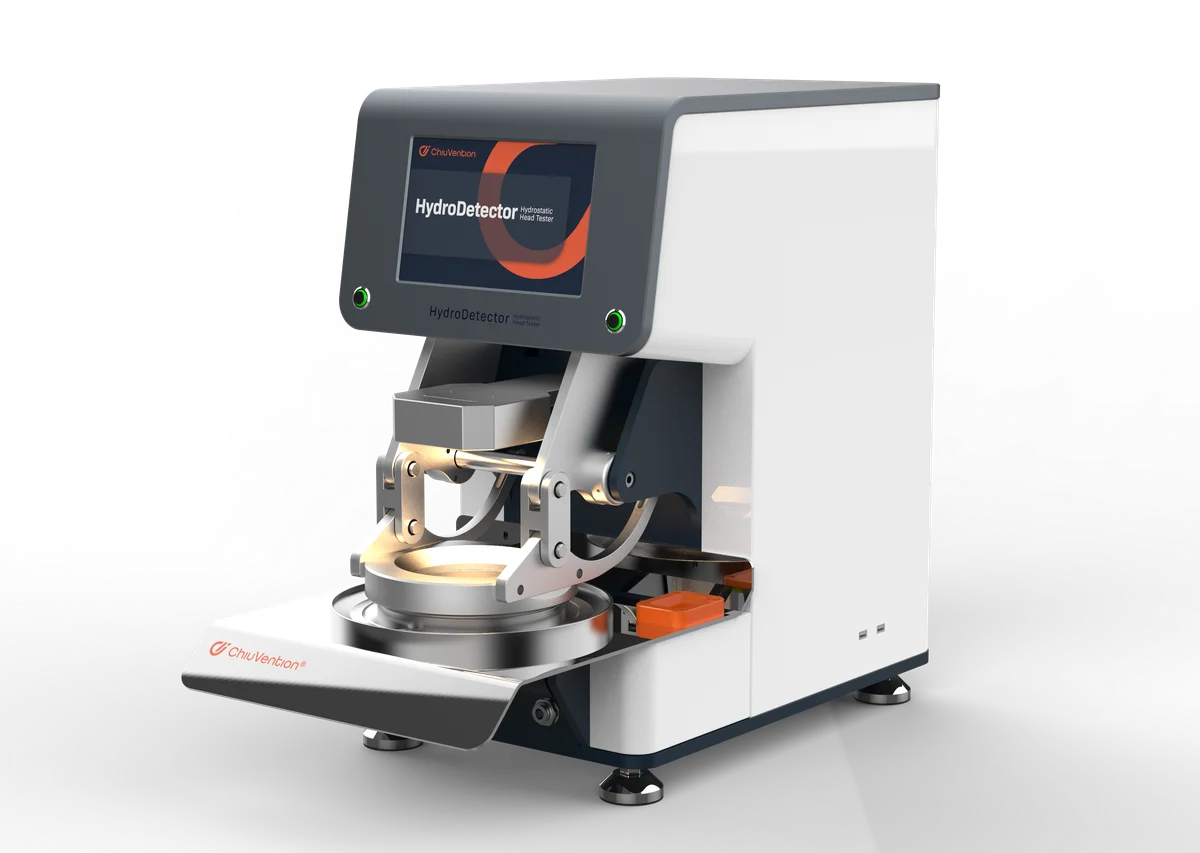
Textile Hydrostatic Pressure Tester with Artificial Intelligence Technology
Conclusion
Artificial intelligence is changing the textile industry. It helps detect defects in fabric. This technology reduces the need for manual inspections.
It worked 24/7 with no workers needed. It saved the factory from a lot of manual labor and can be used on many types of single-color fabrics.
The advanced machine learning technology spots many defects. These include broken ends, filling knots, holes, dirt, fuzziness, weft shrinkage, and more.